
 1/22
1/22
 2/22
2/22
 3/22
3/22
 4/22
4/22
 5/22
5/22
 6/22
6/22
 7/22
7/22
 8/22
8/22
 9/22
9/22
 10/22
10/22
 11/22
11/22
 12/22
12/22
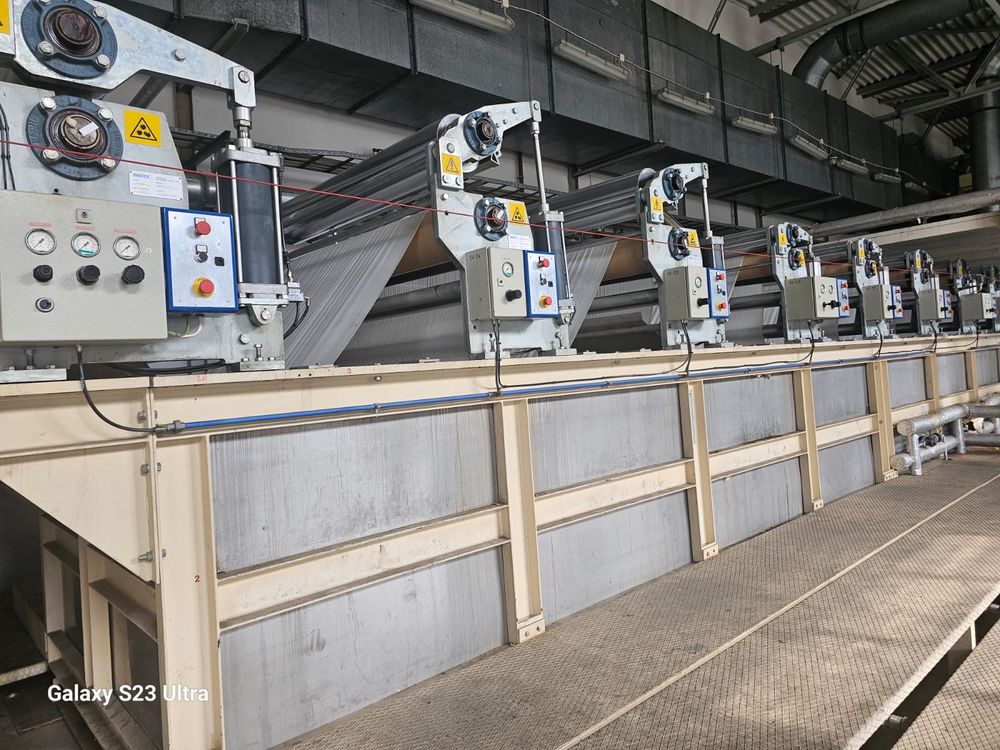 13/22
13/22
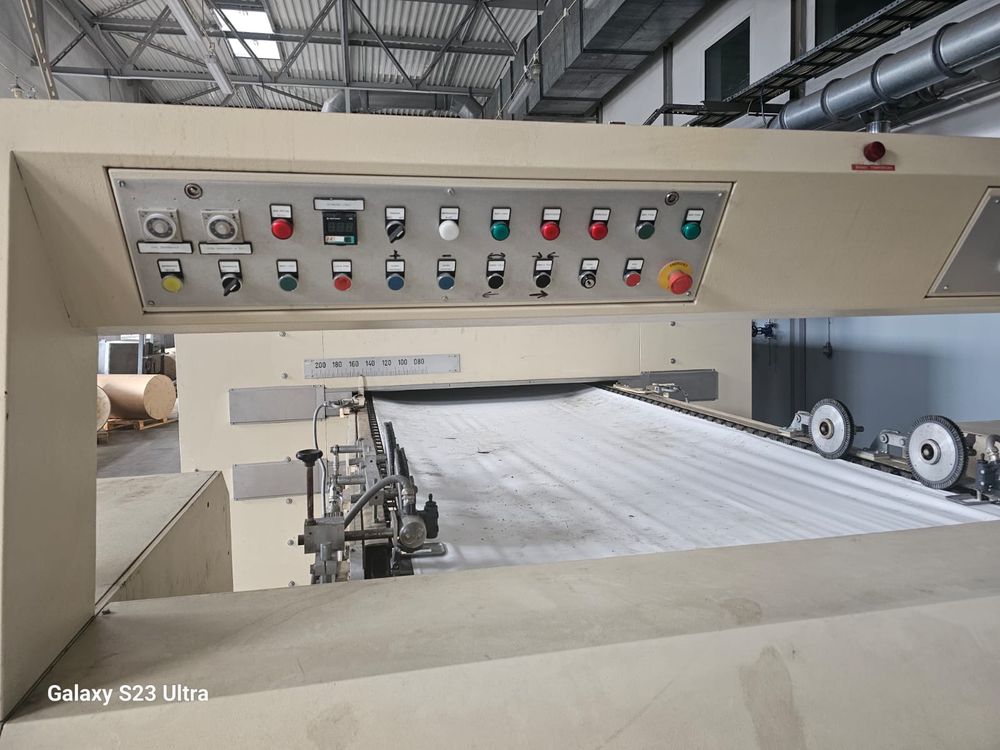 14/22
14/22
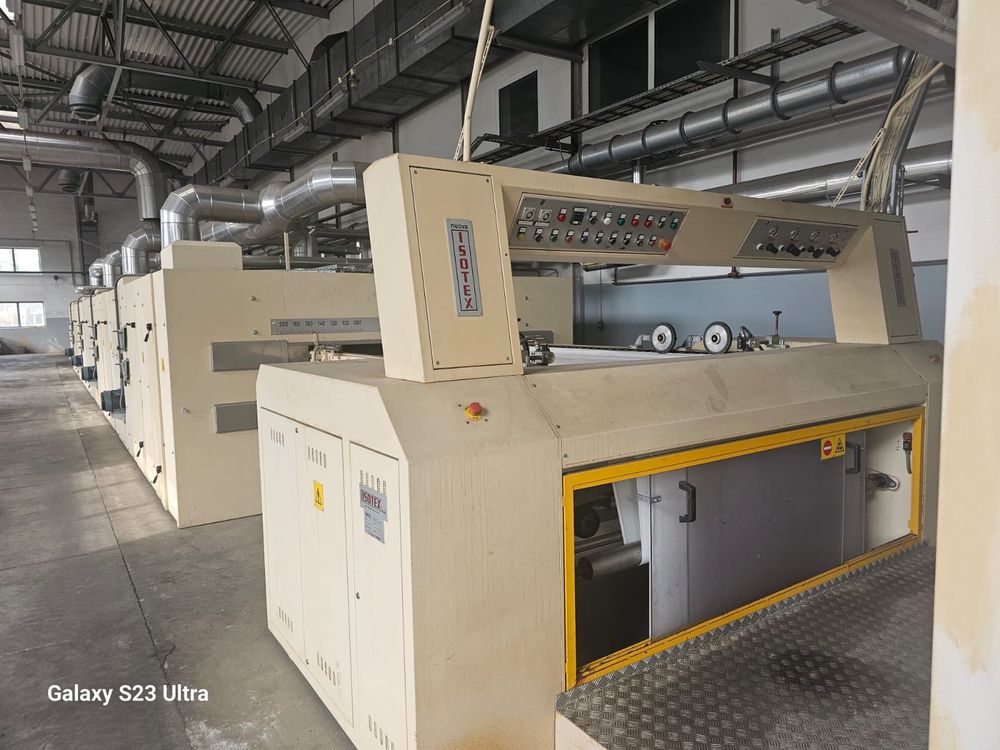 15/22
15/22
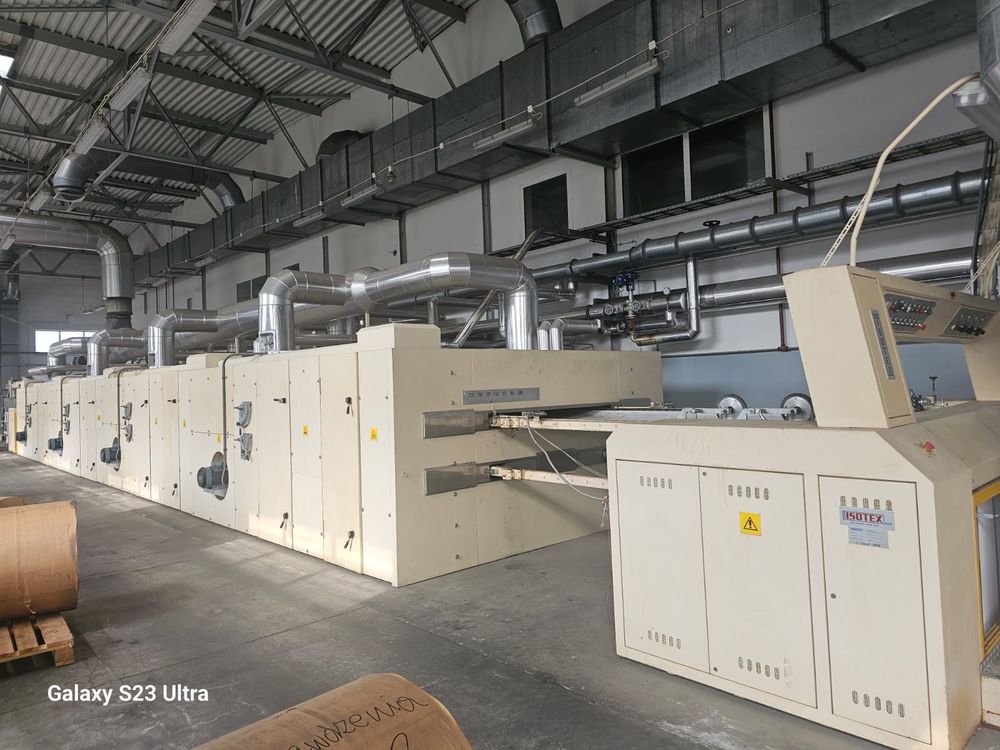 16/22
16/22
 17/22
17/22
 18/22
18/22
 19/22
19/22
 20/22
20/22
 21/22
21/22
 22/22
22/22
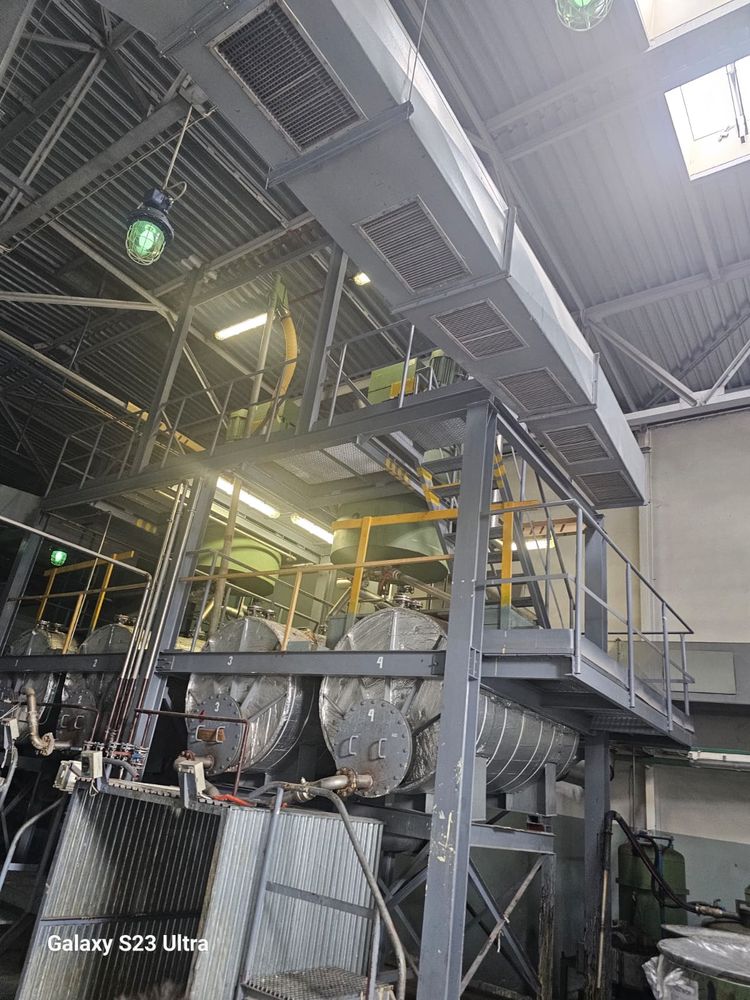
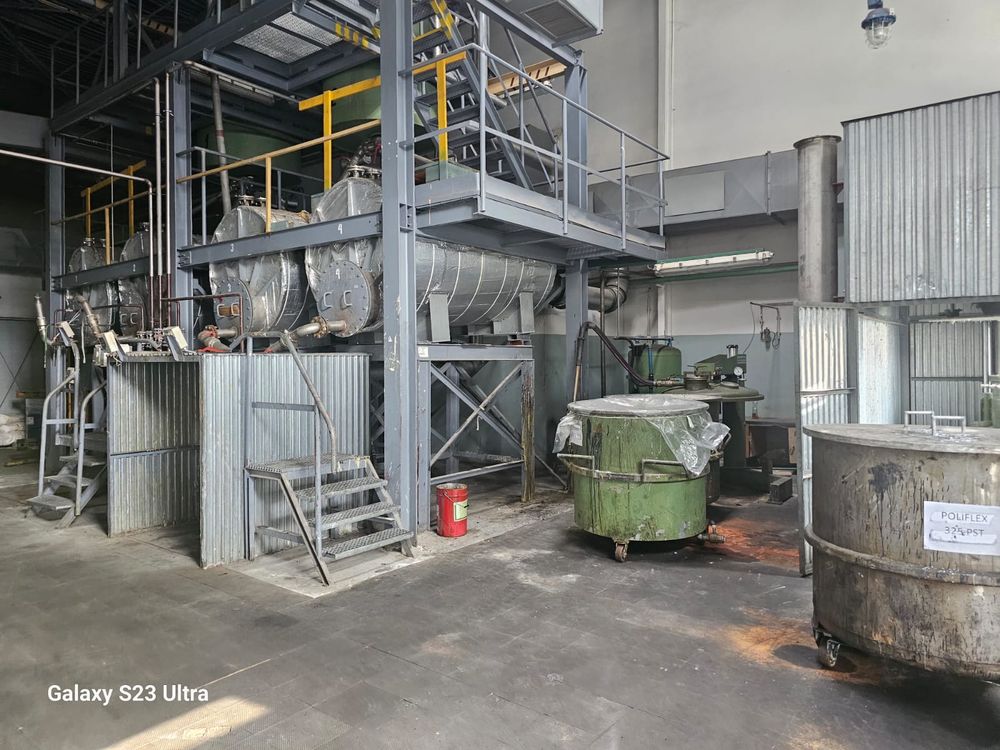
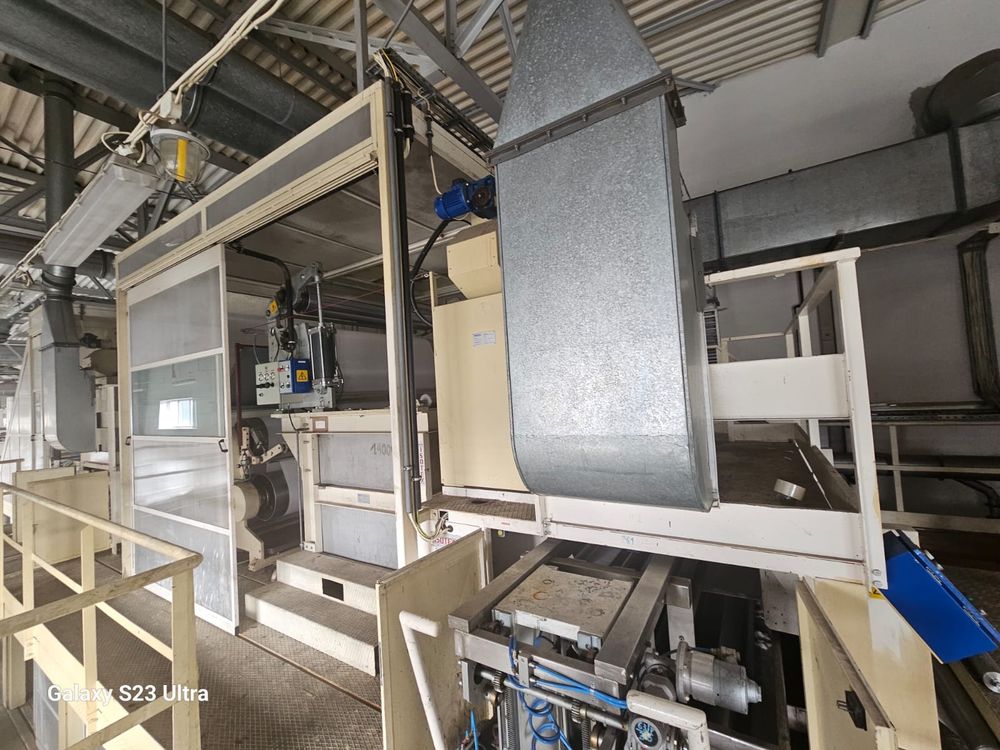
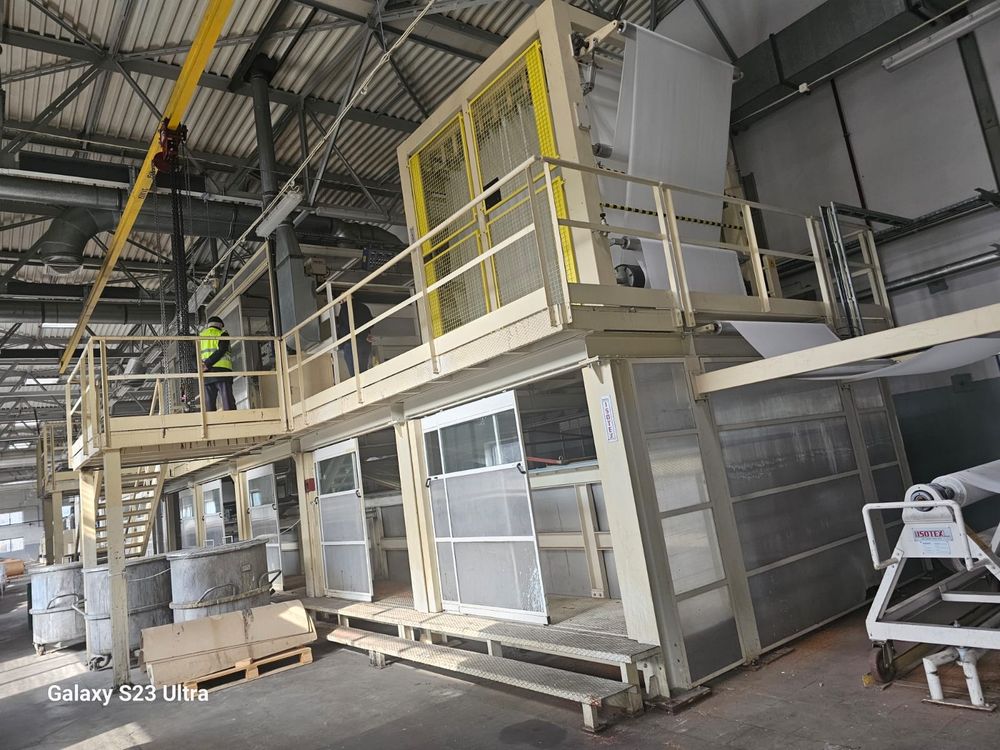
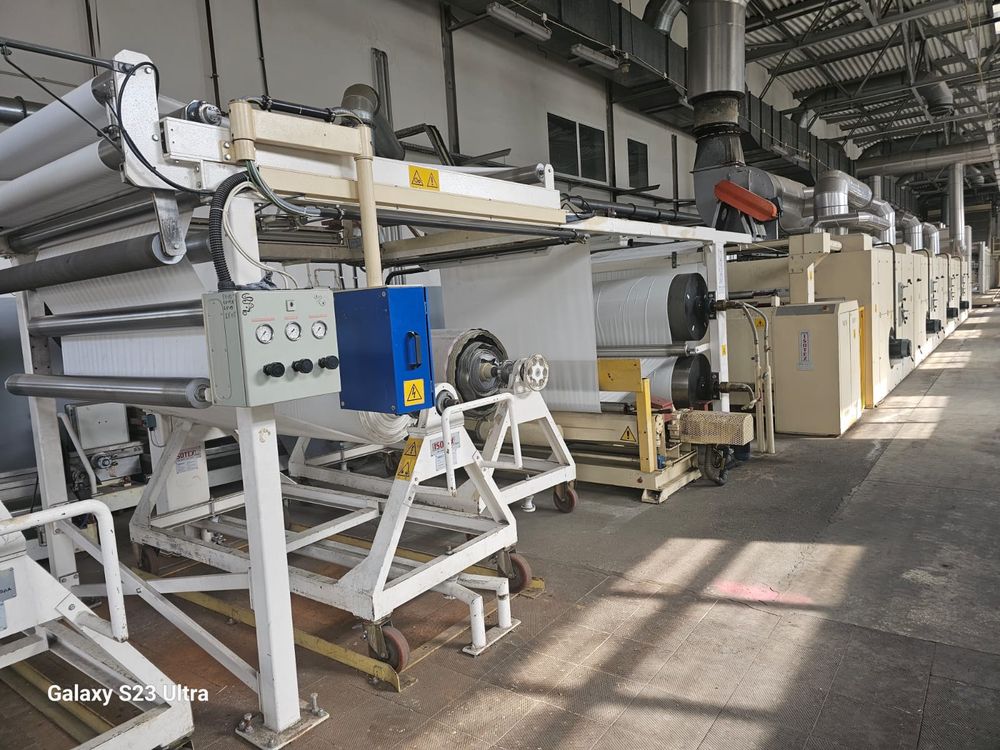
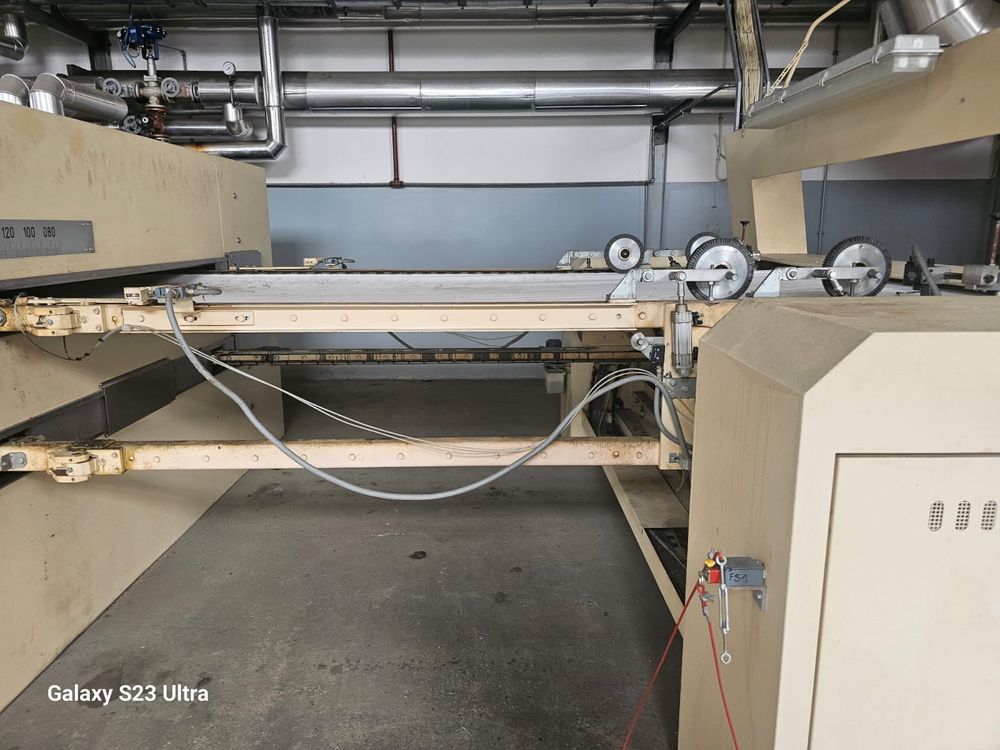
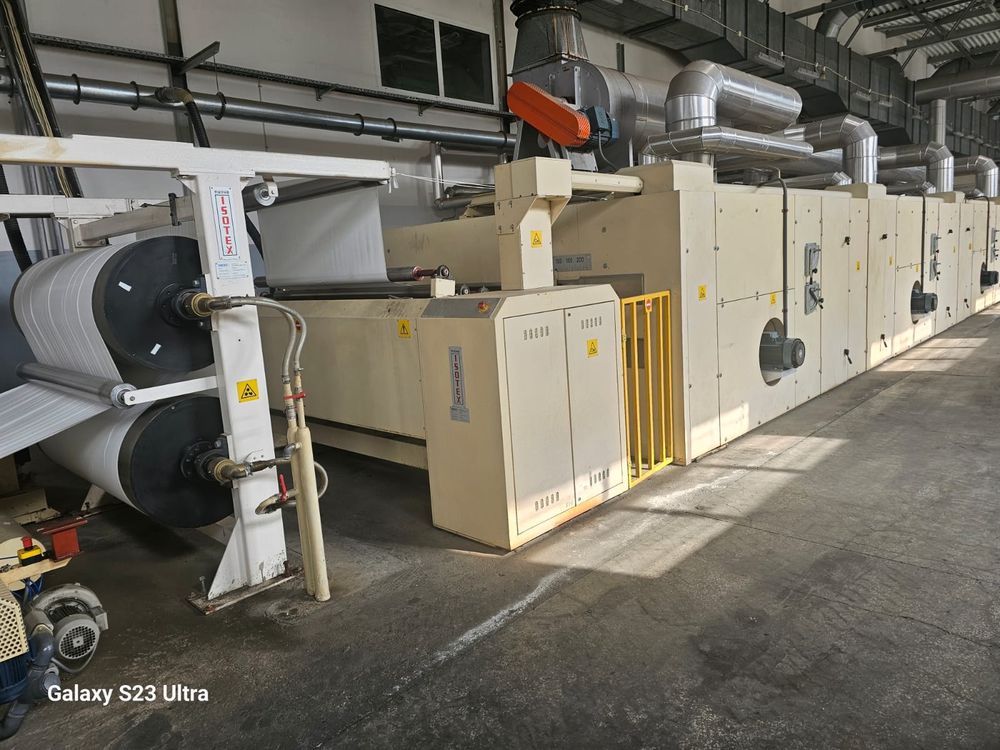
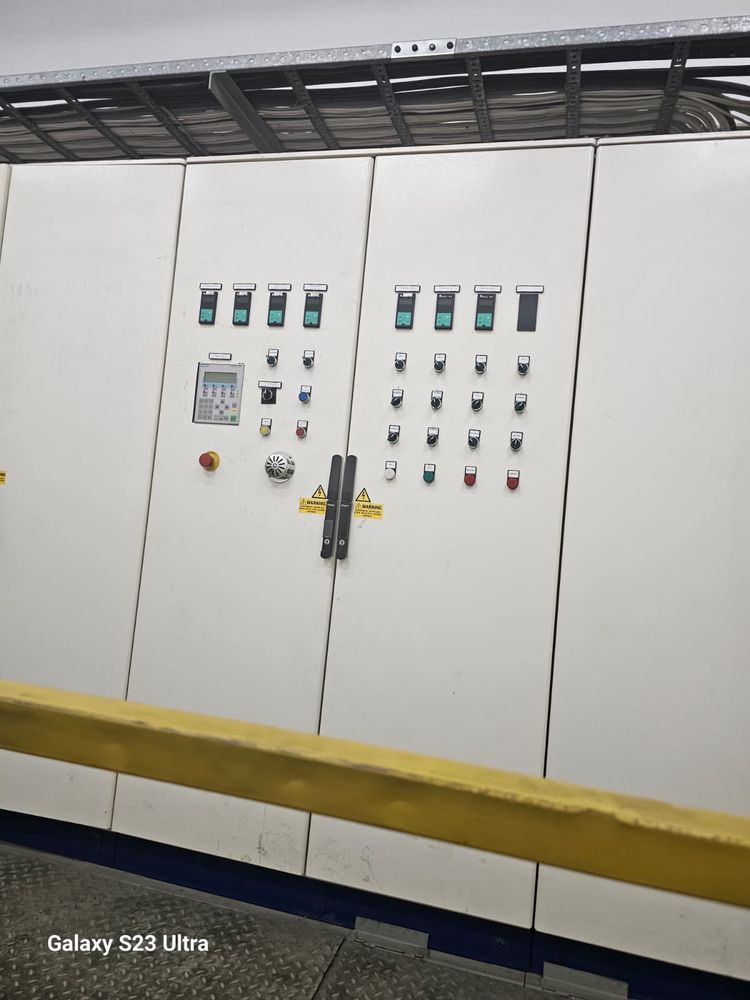
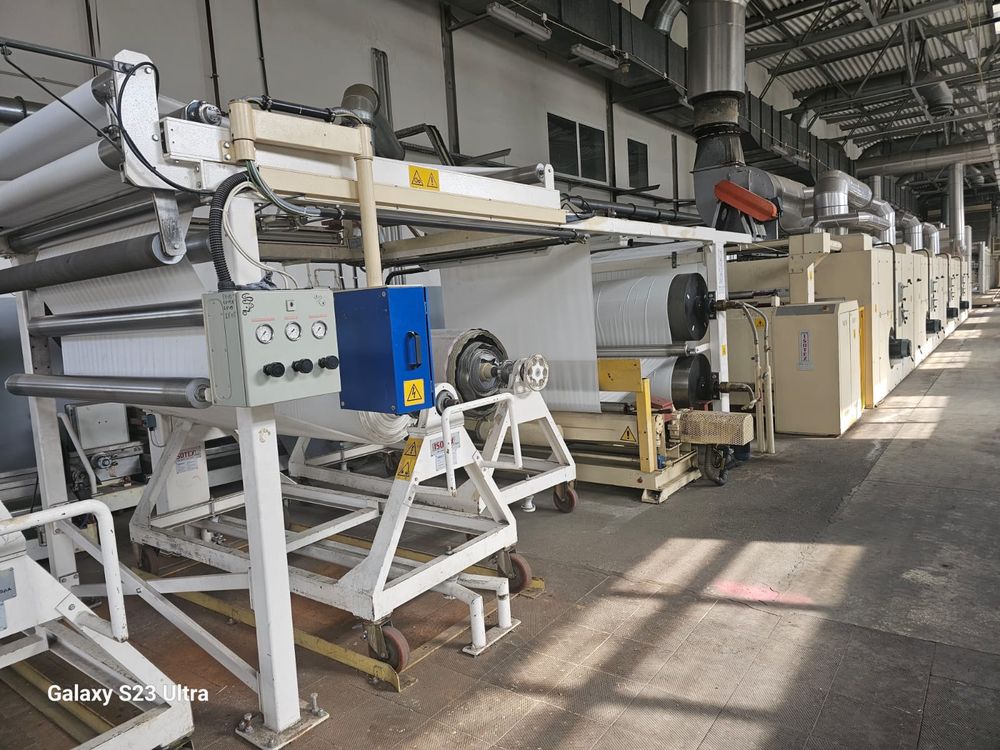
Isotex Coagulation line
EUROPE (Western and Northern)
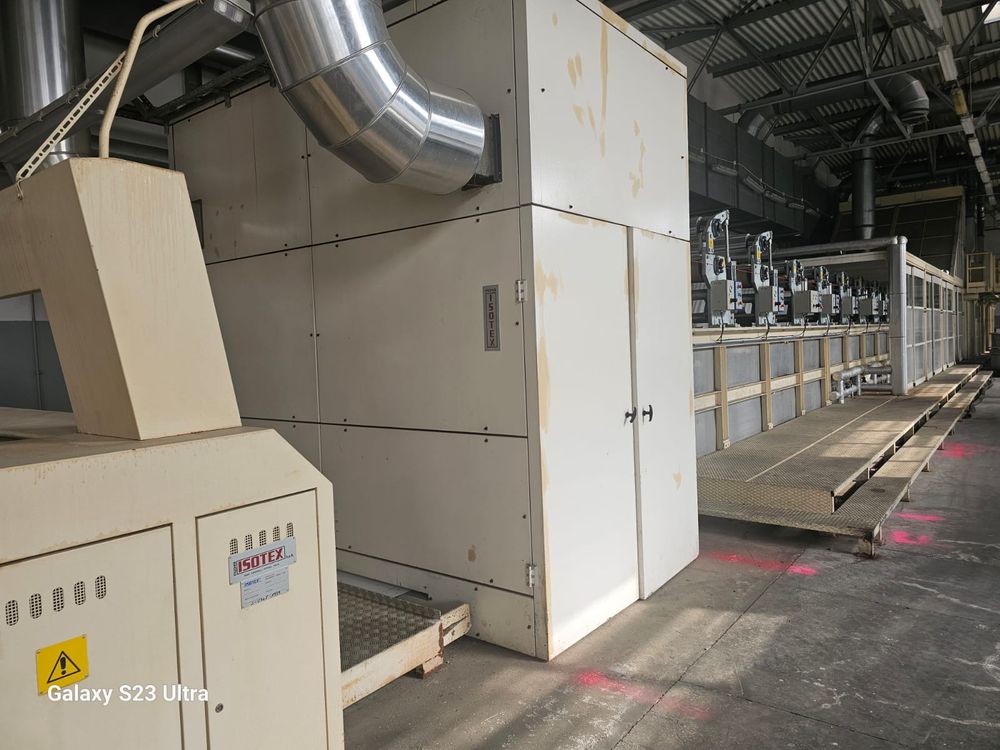
WORKING WIDTH: 1800mm. HALL DIMENSION: 84.2 MT. X 10.9 MT. X HEIGHT 8.5 MT.
PASTE HALL DIMENSION: 18.6 MT. X 12.10 MT. X HEIGHT 8.5 MT.
COAGULATION LENGTH: 350 METERS.
Production process of coagulated products/fabrics -general.
• Precipitation of polyurethane from solution,
• Creation of a microporous coating structure,
• Providing the material with appropriate properties (breathability, softness, durability).
1. Materials and Raw Materials • PU solution in solvent (usually DMF - dimethylformamide).
• Substrate (fabric, knitwear, Canvas)
• Coagulation medium: water or water/DMF mixture
• Additives: pigments, blowing agents, stabilizers
2. Line Equipment:
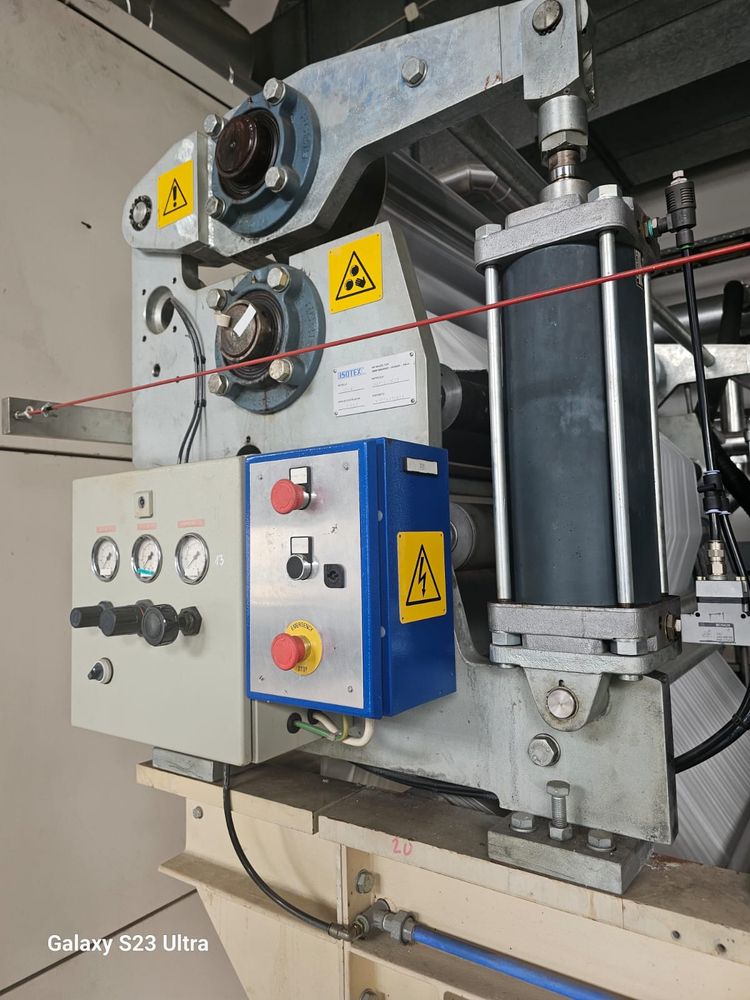
• Coating line (knife over roll / reverse roll)
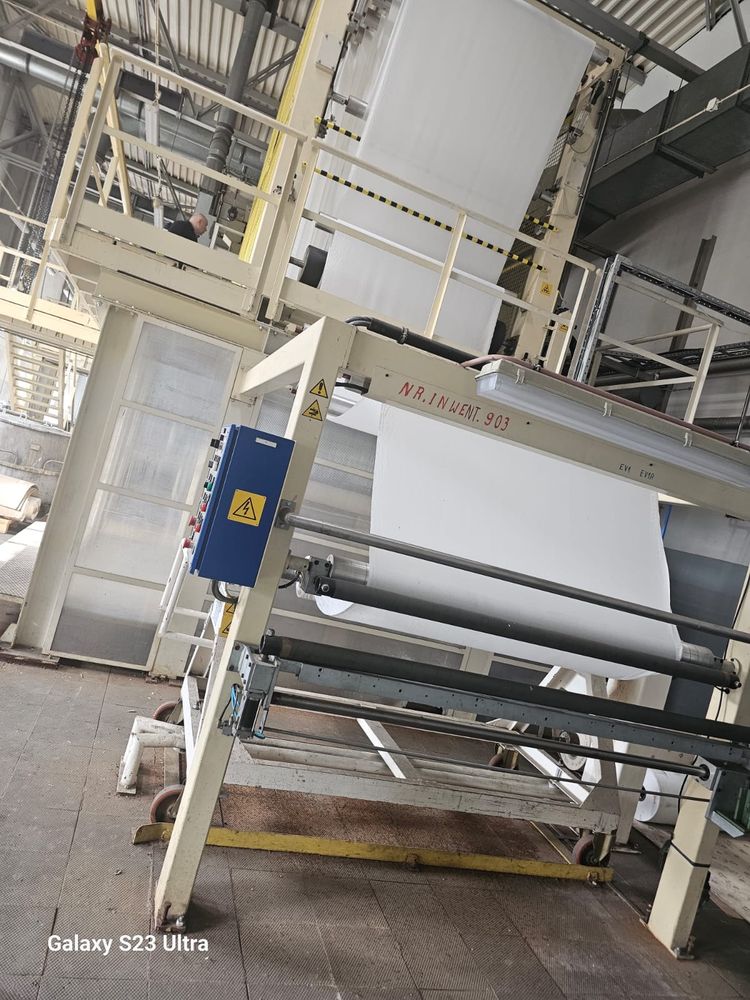
• Fabric unwinding station
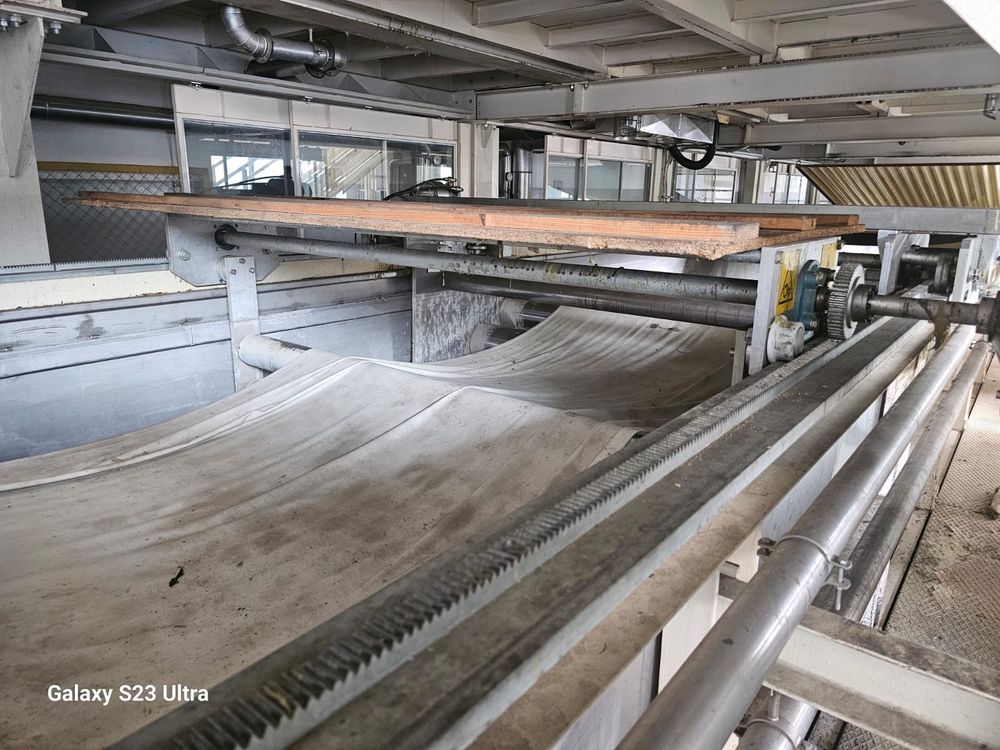
• Coagulation bath (water solution + DMF 15-22%)
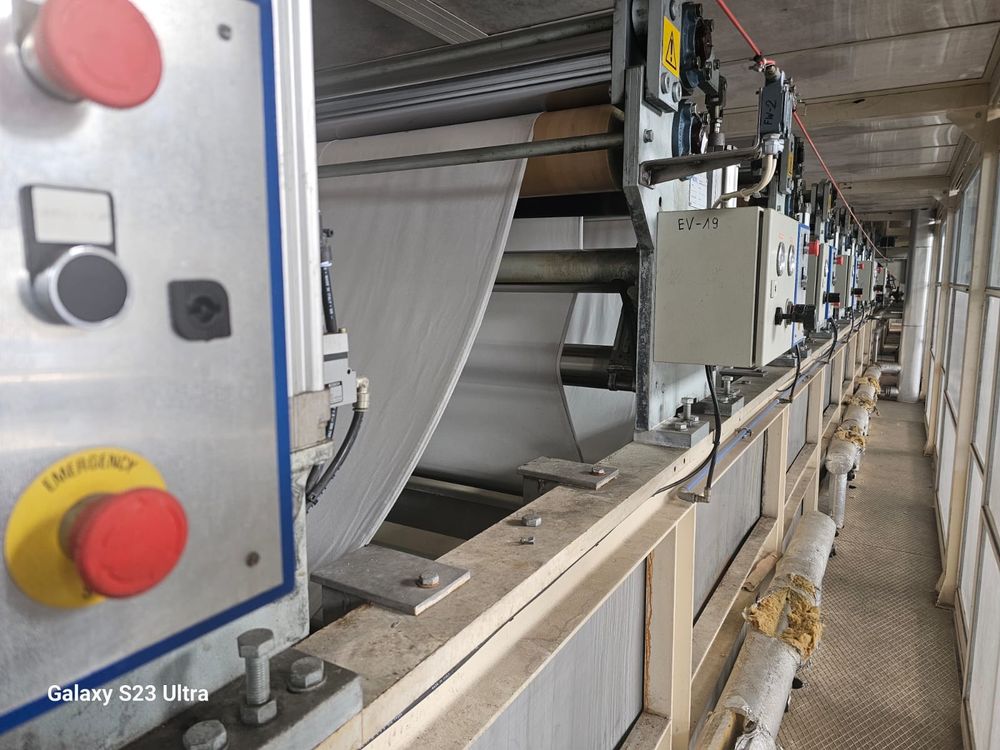
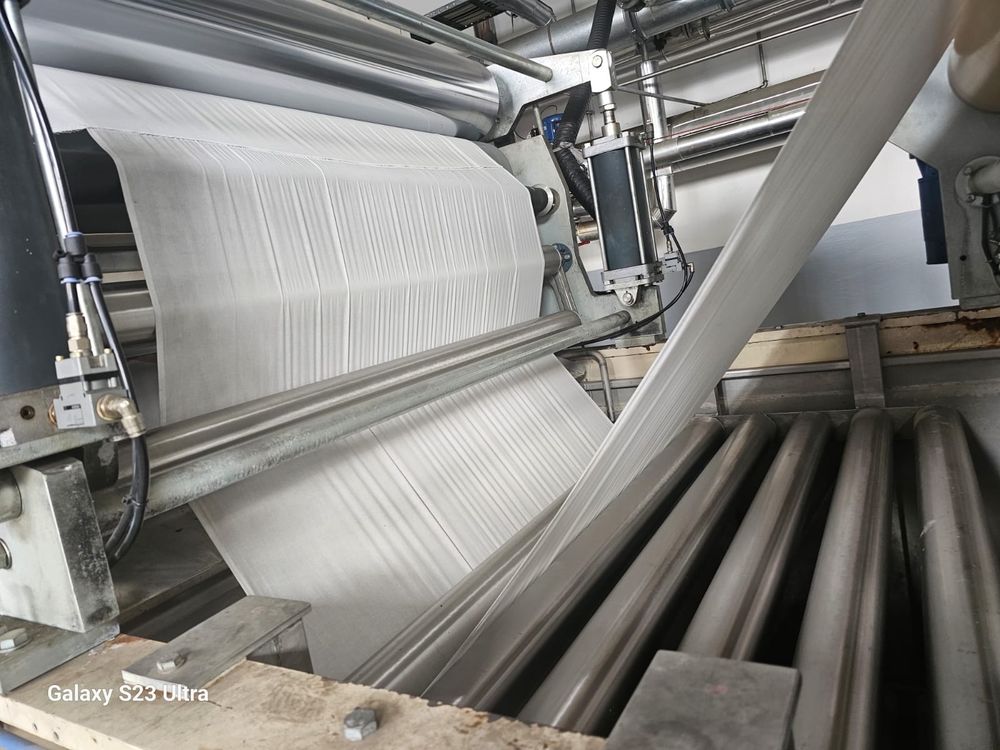
• Foulards (water washers)
• Solvent rinsing and recovery system
• Pre-drying
• Needle frame
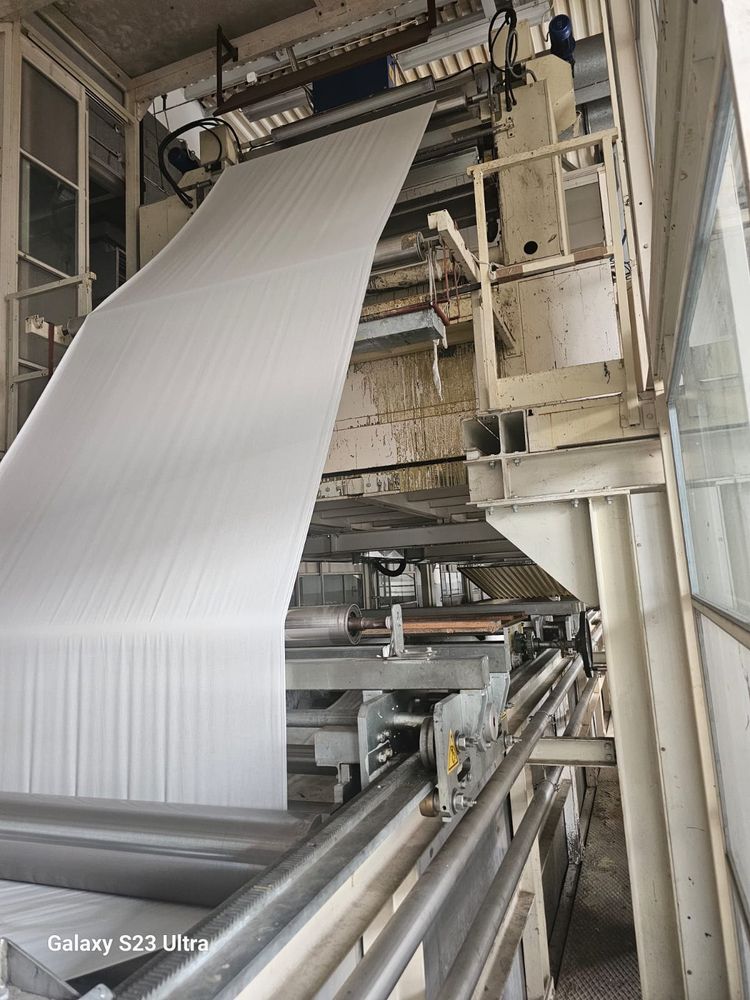
• Drying chamber
• Temperature control system
• Left-hand grinder
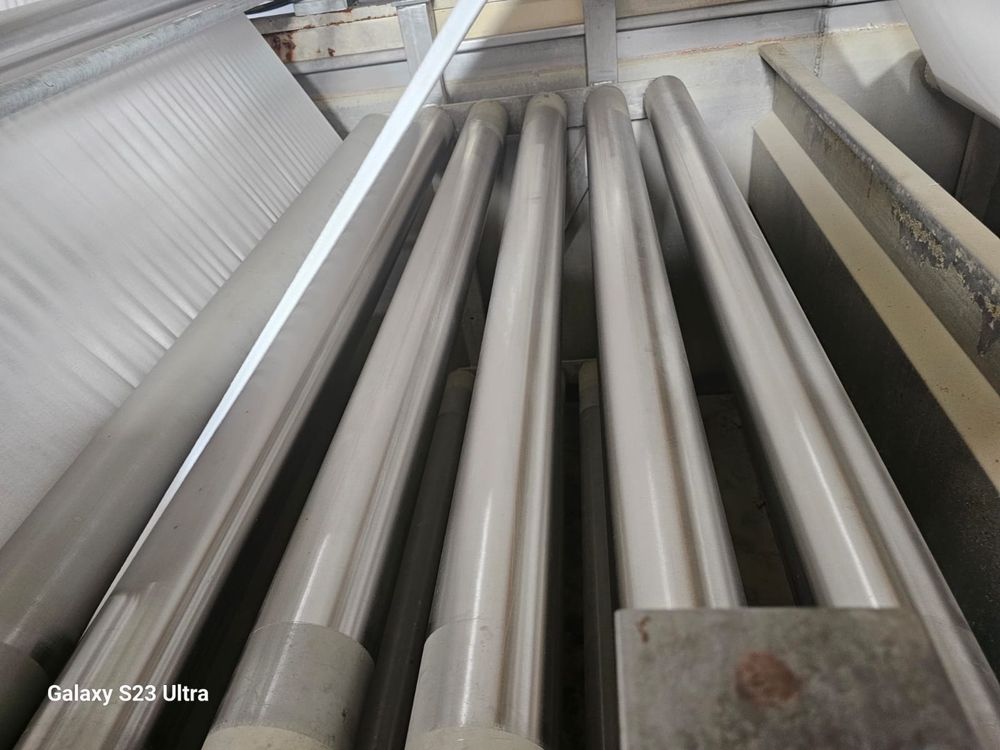
• Transport rollers
• Ready product product collection station
3. Process Flow:
a) Coating Application
• Apply the PU solution evenly to the weaved fabric (PES/COT – like impregnation)
• Pre-coagulation in the bath
• Drying on hot rollers
• Application of the PU solution by the knife (roller or coating knife)
• Coagulation in the main coagulation bath
• Monitor: o layer thickness, o solution viscosity, o line speed.
b) Main coagulation:
• Introduce the coated material into the coagulation bath (water or water/DMF).
• The following exchanges occur: o solvent (DMF) diffuses into the bath, o water
diffuses into the PU layer → polymer precipitation.
c) Critical Parameters:
• Bath temperature: 20–60°C
• DMF concentration in the bath: 0–30%
• Residence time: 1–10 min
• Mixing intensity
d) Structure formation
• Porosity control through: o temperature, o bath composition, o mass/PU content
transfer rate.
e) Rinsing:
• Removal of residual DMF from the material
• Several stages of water baths (cascade).
f) Drying:
• Oven drying: o temperature: 80–140°C o shrinkage and stress control.
Left-side sanding (prevents product sticking in the roll and opens micropores)
4. Control Parameters
• Coating thickness
• Porosity/vapor permeability
• Mechanical strength
• Adhesion to the substrate
• Residual DMF content.